


Traditional SALE
Traditional Indian jewelry is defined by heritage craft and rich, ornate design, the Kundan, Polki, temple, and Victorian styles perfected over centuries by Indian artisans. It spans grand bridal necklaces and chokers, swinging jhumkas and chandbalis, stacked bangles, and forehead pieces like the maang tikka and matha patti. This collection brings that traditional look together at sale prices, so you can build a festive or bridal wardrobe of authentic Indian styles without paying full price.
Filter
Product categories
Sort by:

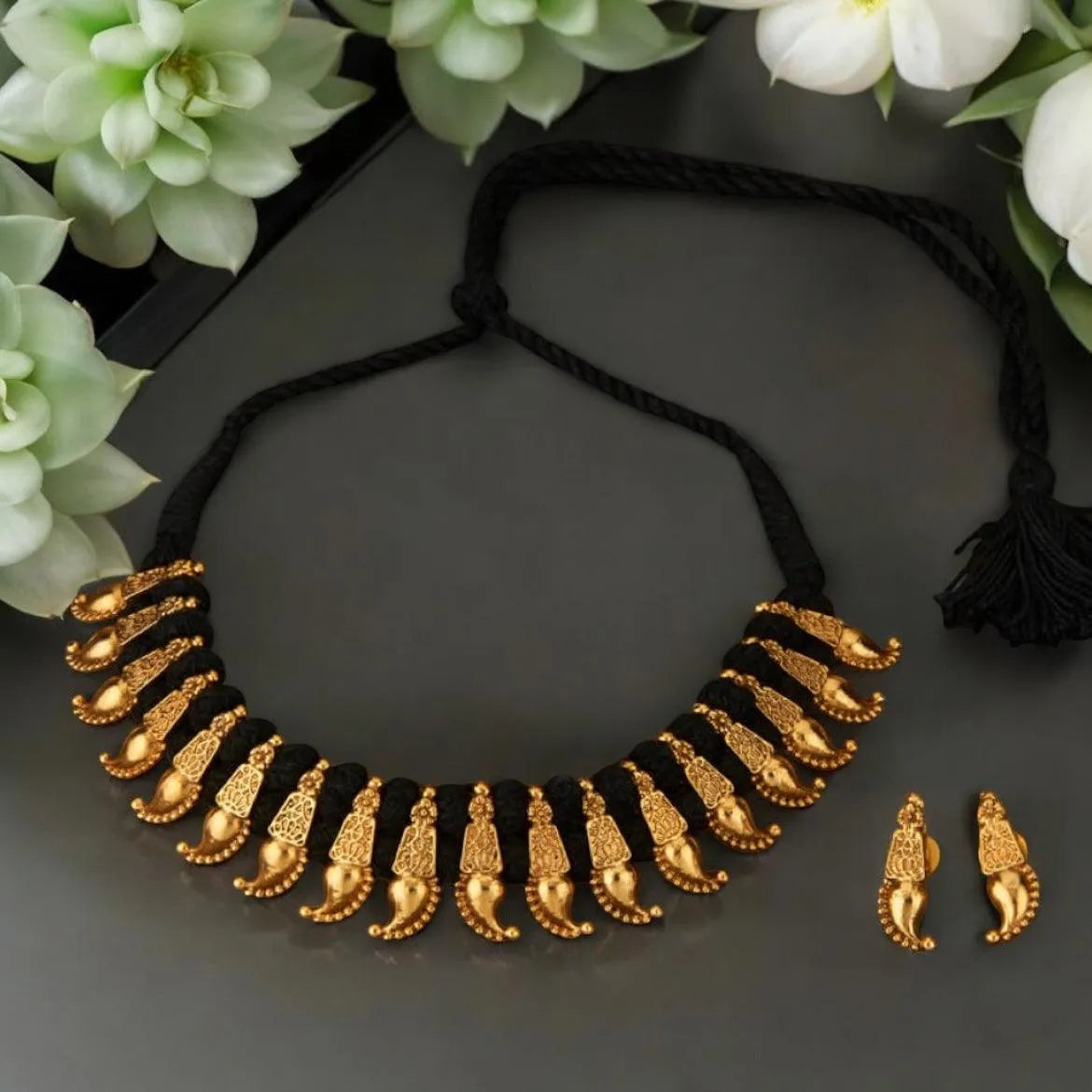


What Makes Jewelry "Traditional"
Traditional Indian jewelry is recognized by its craft and its motifs rather than any single material. It leans on time-honored techniques like Kundan setting, uncut Polki stones, meenakari enamel, and temple work, and on classic forms drawn from Mughal courts, Rajput royalty, and South Indian temples. The look is warm, gold-toned, and ornate, built to be seen, which is what separates it from minimal, modern jewelry.
The Range of Traditional Pieces
Traditional Indian jewelry covers the whole look, from head to wrist.
- Necklaces and chokers: Kundan, Polki, and temple designs that anchor a bridal or festive outfit.
- Earrings: jhumkas, chandbalis, and temple studs that frame the face.
- Bangles and kadas: stacked gold-toned and stone-set designs.
- Headpieces: maang tikka and matha patti for the forehead and hairline.
Styling Traditional Jewelry with Indian Outfits
Traditional jewelry is made for ethnic wear, and the rule is coordination. Match a grand Kundan or Polki necklace set to a silk saree or bridal lehenga, keep the metal tone consistent across necklace, earrings, and tikka, and let one statement piece lead so the look stays balanced. For festive wear, a single traditional necklace or a pair of jhumkas lifts a simpler kurta or anarkali. Warm gold tones sit best against rich, saturated outfit colors like red, emerald, and royal blue.
Occasions and Value
Traditional Indian jewelry belongs at weddings, receptions, and the full festive calendar, from Diwali and Navratri to Eid and Karva Chauth. Because this is the sale collection, it is the place to find those heritage styles at reduced prices, which makes it easy to put together a complete look, or pick up individual pieces, for less. The versatility of traditional designs means one set can be restyled across many events, lowering the cost per wear.
Caring for Traditional Jewelry
Most traditional pieces are gold-plated over brass and set with delicate stones, so they last best with gentle care. Store each piece flat in a soft pouch away from other jewelry, keep it away from water, perfume, and sprays, and wipe gently with a dry, soft cloth after wearing. Put jewelry on last, once hair and makeup are done, to protect the finish and the stones.
Why Shop Traditional Indian Jewelry at MyRivaaz
- The full range of traditional styles, from Kundan to temple, in one place
- Heritage designs at accessible, on-sale prices
- Gold-plated finishes with Kundan, Polki, and meenakari detailing
- Looks for weddings, festivals, and everyday ethnic wear
- Fast, reliable shipping across the USA
- Ethical sourcing and sustainable packaging
- Women-owned and operated
- More than 50,000 customers served
- Simple 7-day returns
FAQs
What is traditional Indian jewelry?
Traditional Indian jewelry refers to heritage styles like Kundan, Polki, temple, and Victorian designs, usually gold-toned and ornate, worn for weddings and festivals. It covers necklaces, earrings, bangles, and forehead pieces.
What is included in a traditional jewelry set?
A traditional set usually pairs a necklace with matching earrings, and often adds a maang tikka, with bangles and other accents for a full bridal look. Product pages list what each set includes.
Is traditional jewelry only for weddings?
No. Grand pieces suit weddings and receptions, while lighter traditional designs work for festivals, pujas, and everyday ethnic wear.
How do I care for gold-plated traditional jewelry?
Store it in a soft pouch away from other pieces, keep it away from water and perfume, and wipe gently with a dry cloth after each wear.
